



What is the bāligh age for boys Islamically?
Question: What is the bāligh age for boys Islamically?
Alḥamdulillah, this month in Ramaḍān, for the middle 8 days, I’ve been delivering some lectures between ʿAṣr and Maghrib on the tafsīr of what had been recited in tarāwīḥ the night earlier. When I delivered similar programmes 2 years ago, about 10 people used to sit in the programme. I loved it. This year it was another masjid and the people sitting in the programme were around 10. I loved it again! The reason is simple; I managed to do research and read books which I otherwise may not have read so quickly. If you’ve done your research and really learnt something new about Deen, it’s so fulfilling that you could have one person sitting in your programme and you’d be excited to tell them what you’ve just learnt about Deen.
As scholars, the amount of people that turn up at the masjid should not demotivate us, but rather, we should pay more attention to the amount of research we did for a programme. If only a few people sat in the programme, but in preparation you read an entire book, isn’t that a win for you? Isn’t that a blessing from Allah Taʿālā upon you that He allowed you to increase in knowledge?
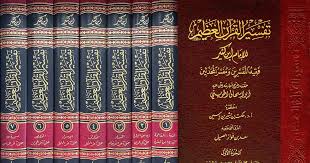
Accordingly, this year, I read Tafsīr Ibn Kathīr raḥimahullah (d.774 AH) from juz’ 11 to juz’ 15 cover-to-cover and discovered a number of ʿIlmī and general beneficial points. I list them here for the benefit of others.
General Beneficial Points:
1) Ibn Kathīr raḥimahullah (d.774 AH) is adamant that the pronoun in فأنساه الشيطان ذكر ربه is referring to the prisoner who got freed and definitely not Yūsuf AS
2) Ibn Kathīr raḥimahullah (d.774 AH), much like his teacher Ḥāfiẓ Ibn Taymiyyah raḥimahullah (d.728 AH) feels that the statement وما أبرئ نفسي was made by the wife of the vizier, not Yusuf AS.
3) He feels that the strongest evidence that the son whom Ibrāhīm AS was commanded to slaughter was Ismāʿīl AS is the verse wherein Ibrāhīm AS is told that after Isḥāq will come Yaʿqūb (ومن وراء إسحاق يعقوب), i.e., if he was already told that Isḥāq will have children, how could he be the one he was commanded to slaughter?
4) He concludes that in the verse وظنوا أنهم قد كذبوا is a reference to the disbelievers who felt the believers had been betrayed by their lord or the followers of the Prophet who – being human – felt the Prophets had perhaps lied to them. It definitely was not the Prophets themselves.
5) He presents numerous narrations related to what will happen to one after they pass away such that it’s almost like a small treatise on the topic, under the verse: يثبت الله الذين آمنوا بالقول الثابت في الحياة الدنيا
6) He presents numerous verses to show that Allah Taʿālā constantly brings the command to worship Him with the command to have reliance (tawakkul) in Him under the verse
7) Under the verse توفني مسلما وألحقني بالصالحين, he discusses when it is and isn’t permissible to wish for death.
8) His preferred tafsīr for أولم يروا أنا نأتي الأرض ننقصها is that it is a reference to the Muslims conquering the lands of the disbelievers
9) Ibn Kathīr lists all the various meanings of the word ‘ummah’ under the verse ولئن أخرنا عنهم العذاب إلى أمة معدودة
10) Under the tafsīr of ويتلوه شاهد, Ibn Kathīr raḥimahullah (d.774 AH) states that the view that this is ʿAlī raḍiyallahu ʿanhu is not supported
11) Under the tafsīr of إنه ليس من أهلك, Ibn Kathīr explains that the verse فخانتاهما in surah taḥrīm does not mean zinā, in fact, no wife of a Prophet ever committed zinā
12) At the start of Surah Isra, he gathers all the narrations related to Isra’ and Miʿrāj, it’s a full 20 or so sides, it’s almost like a little treatise on the topic
13) After a parable in Surah al-Raʿd about the difference between truth and falsehood, the Qur’ānic verse ends with:
وما يعقلها إلا العالمون
And none understand it (i.e., the parable) except those who have knowledge
Ibn Kathīr raḥimahullah (d.774 AH) says in Tafsīr Ibn Kathīr, 3:635:
قال بعض السلف كنت إذا قرأت مثلا من القرآن فلم أفهمه بكيت على نفسي لأن الله تعالى يقول “وما يعقلها إلا العالمون“
Some of the scholars of the past would say, “When I read a parable from the Qur’ān, and I don’t understand it, then I cry upon my state, because Allah Taʿālā says, ‘None understand it except the knowledgeable’”
14) Under the verse واتبع أدبارهم, Ibn Kathīr raḥimahullah (d.774 AH) expresses how Lūṭ AS was commanded to walk behind the Muslims, the Prophet ṣallallahu ʿalayhi wasallam would do the same and so should every leader
15) Under the verse وما كنا معذبين حتى نبعث رسولا, he discusses the issue of the children who pass away and were born to disbelievers, he prefers the view that they will be tested in the Hereafter
ʿIlmī Beneficial Points:
1) Ibn Kathīr raḥimahullah (d.774 AH), like many other scholars, relies upon his memory in quoting aḥādīth, he will quote a ḥadīth and the wording in the original source may be different
2) He is non-committal on the issue of the parents of the Prophet ṣallallahu ʿalayhi wasallam and is not convinced that the aḥādīth suggesting they were brought back to life are authentic. He discusses this under the verse: ما كان للنبي والذين آمنوا
3) He quotes the view of the Ahl al-Sunnah by quoting Abu’l Ḥasan al-Ashʿarī raḥimahullah (d.324 AH):
الذي عليه أهل السنة والجماعة وهو الذي نقله الشيخ أبو الحسن علي بن إسماعيل الأشعري عنهم…
Under the verse وما كنا معذبين حتى نبعث رسولا, he quotes him again as follows:
وهذا القول هو الذي حكاه الشيخ أبو الحسن علي بن إسماعيل الأشعري – رحمه الله – عن أهل السنة والجماعة وهو الذي نصره الحافظ أبو بكر البيهقي في “كتاب الاعتقاد” وكذلك غيره من محققي العلماء والحفاظ النقاد
He repeatedly quotes Abu’l Ḥasan al-Ashʿarī raḥimahullah (d.324 AH) in order to determine the view of the Ahl al-Sunnah wa’l-Jamāʿah.
4) Ibn Kathīr raḥimahullah (d.774 AH) much like Ibn Ḥajar raḥimahullah (d.852 AH) had a special connection with Musnad Aḥmad as almost every other ḥadīth he quotes is from Musnad Aḥmad. In fact, at times he’ll quote a ḥadīth using the chain of narration of Imām Aḥmad and he’ll then say: رواه مسلم. He is the author of Jāmiʿ al-Masānīd after all.
5) When he quotes a ḥadīth as evidence, he will quote the entire chain of narration from the author of the book to the Prophet ṣallallahu ʿalayhi wasallam, irrespective of whether it’s a famous book like Musnad Aḥmād and Ṣaḥīḥ al-Bukhārī or an obscure book like Al-Ṭawāḍuʿ wa’l-Khumūl of Ibn Abi’l-Dunyā.
6) Ibn Kathīr critiques the preference of Ibn Jarīr raḥimahullah (d.310 AH) a decent number of times, examples include on the issue of whether the pronoun in إلا ذرية من قومه is going back to Mūsā or Firʿawn. Another example is whether ألم يأتكم نبؤ الذين من قبلكم is still from the statement of Mūsā or is it now Allah the Almighty speaking. In one place, he writes:
وقد روى ابن جرير في هذا المكان حديثا…وهو حديث موضوع لا محالة لا يستريب في ذلك من عنده أدنى معرفة بالحديث والعجب كل العجب كيف راح عليه مع إمامته وجلالة قدره وقد صرح شيخنا الحافظ العلامة أبو الحجاج المزي رحمه الله بأنه موضوع مكذوبة وكتب ذلك على حاشية الكتاب
7) Ibn Kathīr is well-known as a great book for Tafsīr al-Qur’ān Bi’l-Sunnah, but it’s also a great book for Tafsīr al-Qur’ān bi’l-Qur’ān (TQBQ). A clear example is Ibn Kathīr explaining فردوا أيديهم في أفواههم. Different explanations are given, and he prefers the opinion of Mujāhid RA which is that the disbelievers answered back to the Prophets. He then supports this with another verse from the Qur’ān:
ويؤيد قول مجاهد تفسير ذلك بتمام الكلام: وقالوا إنا كفرنا بما أرسلتم به وإنا لفي شك مما تدعوننا إليه مريب
8) He often quotes lengthy aḥādīth from Tafsīr Ibn Jarīr and other books only to then critique the narration by labelling it as munkar. See for example, on page 2:681 wherein he quotes a lengthy ḥadīth from Musnad Abī Yaʿlā and then labels it munkar. Accordingly, always read his comments upon a ḥadīth before quoting it.
9) He describes Dalā’il al-Nubuwwah of Abū Nuʿaym al-Aṣfahānī raḥimahullah (d.430 AH) as: كتاب جليل
10) Under a ḥadīth, he writes إسناده صحيح على شرط مسلم, it would be interesting to gather all of these comments. I’m sure someone probably already has.
11) Under the verse ولقد همت به, Ibn Kathīr raḥimahullah (d.774 AH) writes:
ومما ينبغي على المسلم أن يحذر الإسرائيليات التي أدخلت في كتب التفسير
12) With regard to whether the disbelievers are obligated with the commands of Sharīʿah, Ibn Kathir raḥimahullah (d.774 AH) states under the verse ما كانوا يستطيعون السمع وما كانوا يبصرون:
ولهذا كان أصح الأقوال أنهم مكلفون بفروع الشرائع أمرها ونهيها بالنسبة إلى الدار الآخرة
13) He states about Ibn Diḥyah raḥimahullah (d.633 AH)’s book Al-Tanwīr fī Mawlid al-Sirāj al-Munīr and his discussion on the Isrā’ and Miʿrāj: تكلم عليه فأجاد وأفاد
14) After quoting a weak ḥadīth under the verse: سبحان الذي أسرى, he says showing the utility of a weak ḥadīth:
وهو مضاف عند الأئمة وإنما سقنا حديثه هاهنا لما في حديثه من الشواهد لغيره
15) Under the verse وقضينا إلى بني إسرائيل, Ibn Kathīr raḥimahullah (d.774 AH) mentions that Nebuchadnezzar killed all the people of Banū Isrā’īl who had memorised the Torah
16) Despite the fact that he has in a few places quoted very weak aḥādīth, he is generally very scrupulous and even says in one place:
ولو وجدنا ما هو صحيح أو ما يقارب أجاز لنا كتابته وروايته
17) Under the verse ومن قتل مظلوما فقد جعلنا لوليه سلطانا, Ibn Kathīr RA speaks about the Muʿawiyah RA and ʿAlī RA issue
Alḥamdulillah, this month in Ramaḍān, for the middle 8 days, I’ve been delivering some lectures between ʿAṣr and Maghrib on the tafsīr of what had been recited in tarāwīḥ the night earlier. When I delivered similar programmes 2 years ago, about 10 people used to sit in the programme. I loved it. This year it was another masjid and the people sitting in the programme were around 10. I loved it again! The reason is simple; I managed to do research and read books which I otherwise may not have read so quickly. If you’ve done your research and really learnt something new about Deen, it’s so fulfilling that you could have one person sitting in your programme and you’d be excited to tell them what you’ve just learnt about Deen.
As scholars, the amount of people that turn up at the masjid should not demotivate us, but rather, we should pay more attention to the amount of research we did for a programme. If only a few people sat in the programme, but in preparation you read an entire book, isn’t that a win for you? Isn’t that a blessing from Allah Taʿālā upon you that He allowed you to increase in knowledge?
Accordingly, this year, I read Tafsīr Ibn Kathīr raḥimahullah (d.774 AH) from juz’ 11 to juz’ 15 cover-to-cover and discovered a number of ʿIlmī and general beneficial points. I list them here for the benefit of others.
General Beneficial Points:
1) Ibn Kathīr raḥimahullah (d.774 AH) is adamant that the pronoun in فأنساه الشيطان ذكر ربه is referring to the prisoner who got freed and definitely not Yūsuf AS
2) Ibn Kathīr raḥimahullah (d.774 AH), much like his teacher Ḥāfiẓ Ibn Taymiyyah raḥimahullah (d.728 AH) feels that the statement وما أبرئ نفسي was made by the wife of the vizier, not Yusuf AS.
3) He feels that the strongest evidence that the son whom Ibrāhīm AS was commanded to slaughter was Ismāʿīl AS is the verse wherein Ibrāhīm AS is told that after Isḥāq will come Yaʿqūb (ومن وراء إسحاق يعقوب), i.e., if he was already told that Isḥāq will have children, how could he be the one he was commanded to slaughter?
4) He concludes that in the verse وظنوا أنهم قد كذبوا is a reference to the disbelievers who felt the believers had been betrayed by their lord or the followers of the Prophet who – being human – felt the Prophets had perhaps lied to them. It definitely was not the Prophets themselves.
5) He presents numerous narrations related to what will happen to one after they pass away such that it’s almost like a small treatise on the topic, under the verse: يثبت الله الذين آمنوا بالقول الثابت في الحياة الدنيا
6) He presents numerous verses to show that Allah Taʿālā constantly brings the command to worship Him with the command to have reliance (tawakkul) in Him under the verse
7) Under the verse توفني مسلما وألحقني بالصالحين, he discusses when it is and isn’t permissible to wish for death.
8) His preferred tafsīr for أولم يروا أنا نأتي الأرض ننقصها is that it is a reference to the Muslims conquering the lands of the disbelievers
9) Ibn Kathīr lists all the various meanings of the word ‘ummah’ under the verse ولئن أخرنا عنهم العذاب إلى أمة معدودة
10) Under the tafsīr of ويتلوه شاهد, Ibn Kathīr raḥimahullah (d.774 AH) states that the view that this is ʿAlī raḍiyallahu ʿanhu is not supported
11) Under the tafsīr of إنه ليس من أهلك, Ibn Kathīr explains that the verse فخانتاهما in surah taḥrīm does not mean zinā, in fact, no wife of a Prophet ever committed zinā
12) At the start of Surah Isra, he gathers all the narrations related to Isra’ and Miʿrāj, it’s a full 20 or so sides, it’s almost like a little treatise on the topic
13) After a parable in Surah al-Raʿd about the difference between truth and falsehood, the Qur’ānic verse ends with:
وما يعقلها إلا العالمون
And none understand it (i.e., the parable) except those who have knowledge
Ibn Kathīr raḥimahullah (d.774 AH) says in Tafsīr Ibn Kathīr, 3:635:
قال بعض السلف كنت إذا قرأت مثلا من القرآن فلم أفهمه بكيت على نفسي لأن الله تعالى يقول “وما يعقلها إلا العالمون“
Some of the scholars of the past would say, “When I read a parable from the Qur’ān, and I don’t understand it, then I cry upon my state, because Allah Taʿālā says, ‘None understand it except the knowledgeable’”
14) Under the verse واتبع أدبارهم, Ibn Kathīr raḥimahullah (d.774 AH) expresses how Lūṭ AS was commanded to walk behind the Muslims, the Prophet ṣallallahu ʿalayhi wasallam would do the same and so should every leader
15) Under the verse وما كنا معذبين حتى نبعث رسولا, he discusses the issue of the children who pass away and were born to disbelievers, he prefers the view that they will be tested in the Hereafter
ʿIlmī Beneficial Points:
1) Ibn Kathīr raḥimahullah (d.774 AH), like many other scholars, relies upon his memory in quoting aḥādīth, he will quote a ḥadīth and the wording in the original source may be different
2) He is non-committal on the issue of the parents of the Prophet ṣallallahu ʿalayhi wasallam and is not convinced that the aḥādīth suggesting they were brought back to life are authentic. He discusses this under the verse: ما كان للنبي والذين آمنوا
3) He quotes the view of the Ahl al-Sunnah by quoting Abu’l Ḥasan al-Ashʿarī raḥimahullah (d.324 AH):
الذي عليه أهل السنة والجماعة وهو الذي نقله الشيخ أبو الحسن علي بن إسماعيل الأشعري عنهم…
Under the verse وما كنا معذبين حتى نبعث رسولا, he quotes him again as follows:
وهذا القول هو الذي حكاه الشيخ أبو الحسن علي بن إسماعيل الأشعري – رحمه الله – عن أهل السنة والجماعة وهو الذي نصره الحافظ أبو بكر البيهقي في “كتاب الاعتقاد” وكذلك غيره من محققي العلماء والحفاظ النقاد
He repeatedly quotes Abu’l Ḥasan al-Ashʿarī raḥimahullah (d.324 AH) in order to determine the view of the Ahl al-Sunnah wa’l-Jamāʿah.
4) Ibn Kathīr raḥimahullah (d.774 AH) much like Ibn Ḥajar raḥimahullah (d.852 AH) had a special connection with Musnad Aḥmad as almost every other ḥadīth he quotes is from Musnad Aḥmad. In fact, at times he’ll quote a ḥadīth using the chain of narration of Imām Aḥmad and he’ll then say: رواه مسلم. He is the author of Jāmiʿ al-Masānīd after all.
5) When he quotes a ḥadīth as evidence, he will quote the entire chain of narration from the author of the book to the Prophet ṣallallahu ʿalayhi wasallam, irrespective of whether it’s a famous book like Musnad Aḥmād and Ṣaḥīḥ al-Bukhārī or an obscure book like Al-Ṭawāḍuʿ wa’l-Khumūl of Ibn Abi’l-Dunyā.
6) Ibn Kathīr critiques the preference of Ibn Jarīr raḥimahullah (d.310 AH) a decent number of times, examples include on the issue of whether the pronoun in إلا ذرية من قومه is going back to Mūsā or Firʿawn. Another example is whether ألم يأتكم نبؤ الذين من قبلكم is still from the statement of Mūsā or is it now Allah the Almighty speaking. In one place, he writes:
وقد روى ابن جرير في هذا المكان حديثا…وهو حديث موضوع لا محالة لا يستريب في ذلك من عنده أدنى معرفة بالحديث والعجب كل العجب كيف راح عليه مع إمامته وجلالة قدره وقد صرح شيخنا الحافظ العلامة أبو الحجاج المزي رحمه الله بأنه موضوع مكذوبة وكتب ذلك على حاشية الكتاب
7) Ibn Kathīr is well-known as a great book for Tafsīr al-Qur’ān Bi’l-Sunnah, but it’s also a great book for Tafsīr al-Qur’ān bi’l-Qur’ān (TQBQ). A clear example is Ibn Kathīr explaining فردوا أيديهم في أفواههم. Different explanations are given, and he prefers the opinion of Mujāhid RA which is that the disbelievers answered back to the Prophets. He then supports this with another verse from the Qur’ān:
ويؤيد قول مجاهد تفسير ذلك بتمام الكلام: وقالوا إنا كفرنا بما أرسلتم به وإنا لفي شك مما تدعوننا إليه مريب
8) He often quotes lengthy aḥādīth from Tafsīr Ibn Jarīr and other books only to then critique the narration by labelling it as munkar. See for example, on page 2:681 wherein he quotes a lengthy ḥadīth from Musnad Abī Yaʿlā and then labels it munkar. Accordingly, always read his comments upon a ḥadīth before quoting it.
9) He describes Dalā’il al-Nubuwwah of Abū Nuʿaym al-Aṣfahānī raḥimahullah (d.430 AH) as: كتاب جليل
10) Under a ḥadīth, he writes إسناده صحيح على شرط مسلم, it would be interesting to gather all of these comments. I’m sure someone probably already has.
11) Under the verse ولقد همت به, Ibn Kathīr raḥimahullah (d.774 AH) writes:
ومما ينبغي على المسلم أن يحذر الإسرائيليات التي أدخلت في كتب التفسير
12) With regard to whether the disbelievers are obligated with the commands of Sharīʿah, Ibn Kathir raḥimahullah (d.774 AH) states under the verse ما كانوا يستطيعون السمع وما كانوا يبصرون:
ولهذا كان أصح الأقوال أنهم مكلفون بفروع الشرائع أمرها ونهيها بالنسبة إلى الدار الآخرة
13) He states about Ibn Diḥyah raḥimahullah (d.633 AH)’s book Al-Tanwīr fī Mawlid al-Sirāj al-Munīr and his discussion on the Isrā’ and Miʿrāj: تكلم عليه فأجاد وأفاد
14) After quoting a weak ḥadīth under the verse: سبحان الذي أسرى, he says showing the utility of a weak ḥadīth:
وهو مضاف عند الأئمة وإنما سقنا حديثه هاهنا لما في حديثه من الشواهد لغيره
15) Under the verse وقضينا إلى بني إسرائيل, Ibn Kathīr raḥimahullah (d.774 AH) mentions that Nebuchadnezzar killed all the people of Banū Isrā’īl who had memorised the Torah
16) Despite the fact that he has in a few places quoted very weak aḥādīth, he is generally very scrupulous and even says in one place:
ولو وجدنا ما هو صحيح أو ما يقارب أجاز لنا كتابته وروايته
17) Under the verse ومن قتل مظلوما فقد جعلنا لوليه سلطانا, Ibn Kathīr RA speaks about the Muʿawiyah RA and ʿAlī RA issue
Question: What is the bāligh age for boys Islamically?

Question: Assalamalaikum, what are the rulings pertaining to child

Question: If someone has a cough with phlegm, does

By (Mufti) Muadh Chati Imagine if the Prophet sallallahu
Question: Is it permissible for the Khutbah to take

Question: Assalamu Alikum warahmuttali wabarakatu 1. My Aunt passed away 2